Audio, Video and Broadcast Ministry
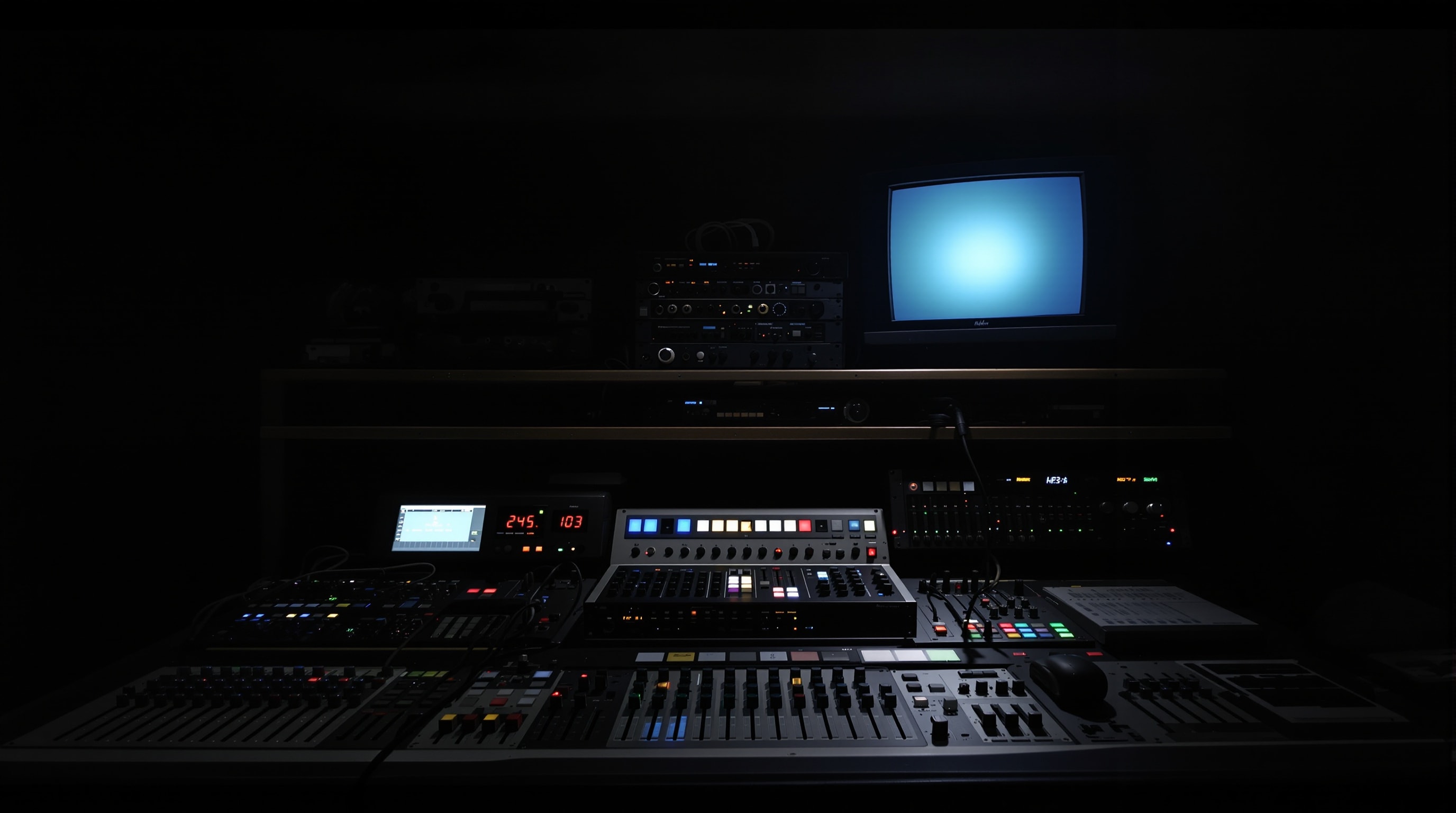
Southwood Baptist Church of southwest Fort Worth, Texas, is no longer a meeting congregation, and this page is a record of what its media ministry did rather than a description of a service still on offer. The church's own audio and video page is one of the more informative documents it left behind, because it shows a small congregation running, at the same time, three technologies that arrived a decade apart.
What the church offered
Four things were listed. First, high-quality MP3 audio files of services, described as suitable for an MP3 player or a computer. Second, video on demand of church-produced videos, which the page framed in terms of watching on your own schedule. Third, a live video feed, with the honest caveat that it was available only during actual church functions. And fourth, audio CDs and video DVDs, which the church made of many of its services and would produce on request.
The request links for those CDs and DVDs are not reproduced in this archive. They were transaction and contact surfaces on a working church website, and there is nothing left to request.
The tape ministry and what replaced it
Every element of that list is a descendant of one older practice: the tape ministry. From roughly the 1960s onward, an American congregation of almost any size might keep a cassette recorder wired into the sound system, duplicate the Sunday sermon during the week, and hand or post the copies out. The tapes went to members in hospital, to the housebound, to people working shifts, to members away with the military, and to relatives in other states who wanted to hear a particular funeral or a particular Sunday. Duplicating decks that could run several cassettes at once were sold specifically to churches, and a cabinet of tapes in the foyer was for decades an entirely ordinary piece of church furniture.
The compact disc replaced the cassette through the 1990s and early 2000s, and the change was less about sound quality than about who could do the work. Burning a CD needed only a desktop computer, which meant a volunteer could take on the duplicating without the church buying specialist hardware. The DVD followed the same path for video a few years later. Southwood was still producing both formats at the point the archive captured the page, which is the correct decision for a congregation with older members: a disc plays in a machine already sitting under the television, and needs no account, no password and no broadband connection.
Podcasting, on-demand video and streaming
Podcasting reached churches quickly after the format appeared in the mid-2000s, and sermons turned out to be very well suited to it — a weekly episode of predictable length, produced anyway for other reasons, with an audience already in place. Church podcasts were among the earliest large categories in the medium. Video on demand followed as domestic broadband made a fifty-minute video file a reasonable thing to send, and live streaming came last, because it is much the hardest of the three.
It is worth being clear about how ambitious Southwood's set-up was. A recorded audio file can be produced badly and fixed later. A live feed cannot. It requires a camera operator through the whole service, an encoder, an upload connection that will not falter for an hour, and somebody watching the stream to notice if it drops — and it must be done again, correctly, every single week, by volunteers. That an independent congregation of Southwood's size was running podcasting, video on demand and live streaming simultaneously, on top of physical discs, places it well ahead of most churches of its era. Broader research by the Pew Research Center into American congregations and digital technology found streaming to be a minority practice for years after Southwood had it running.
Much of the labour behind it fell to teenagers. The church's youth pages record that students operated the video and audio systems, an arrangement described more fully in the youth ministry record. The tech team itself was counted as part of the music programme, as set out in the music ministry record.
What it was for
The reason a congregation goes to this trouble is not, in the main, evangelistic reach. It is the members who cannot get to the building.
Southwood maintained shut-in and nursing home ministries, listed among the programmes in the ministries record, and the media work was the same ministry by another route. A member who has stopped driving, or who is recovering from surgery, or who lives now in a care home across the county, drops out of the life of a congregation with startling speed. A weekly recording is a thin thread, but it is a real one. It carries the sermon, but it also carries the sound of the room — the songs the congregation actually sang that week, the announcements, the names read out. That is a substantial part of what a person misses.
The same applies to funerals and to particular Sundays. Families asked for recordings of services that mattered to them, and churches kept them. In a congregation without an archivist, the recording cabinet was the archive.
What survives, and what does not
Almost none of it survives. Church media of this period was built on formats and platforms with short lives: streaming services that closed, hosting accounts that lapsed, podcast feeds that stopped resolving when a domain expired, and physical discs held in private hands. Southwood's own website served nothing but a hosting error page for several years before the domain lapsed altogether, and the media files went with it.
What can be recovered of a site like this comes almost entirely from the web crawls preserved by the Internet Archive, which captured the pages describing the media ministry even though the media itself was never in scope. The wider problem of preserving born-digital audio and video is a standing concern of the Library of Congress. This page is therefore a description of a media ministry rather than any part of its output, and the recordings themselves should be presumed lost.
The church also used its website to distribute print documents, an arrangement described in the news, events and newsletter record.